
Fishing Adventures of the North
The Fishery
Three Species.
One Remarkable System.
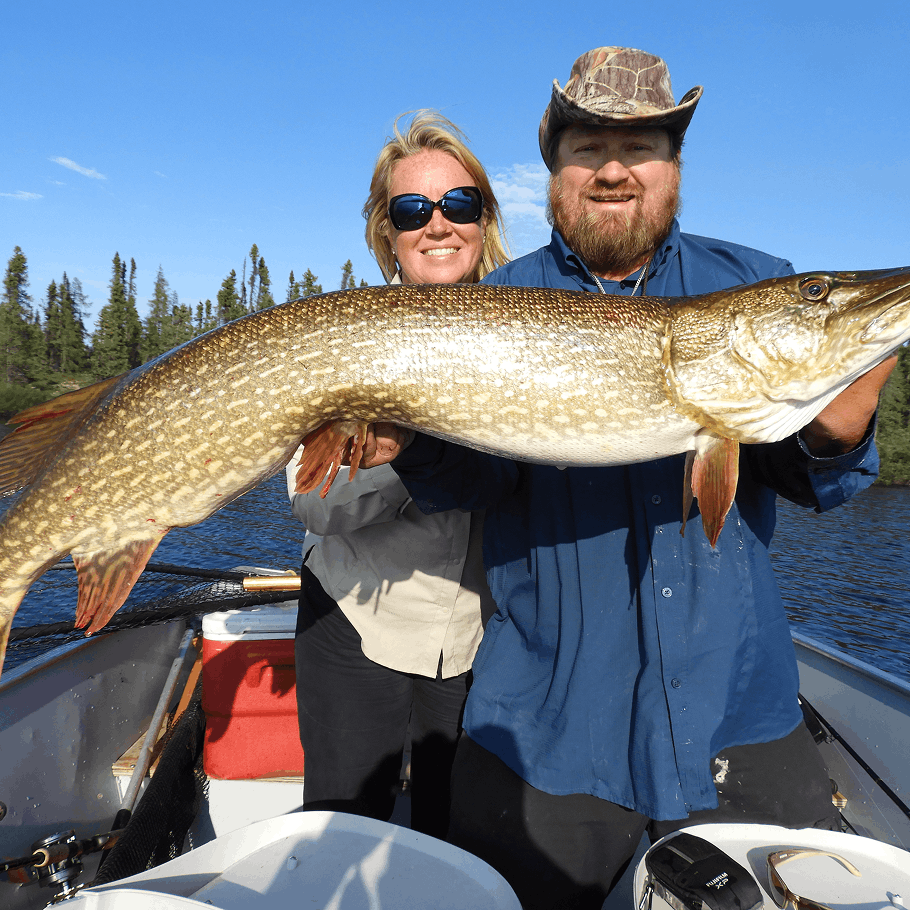
Northern Pike
The Apex predator
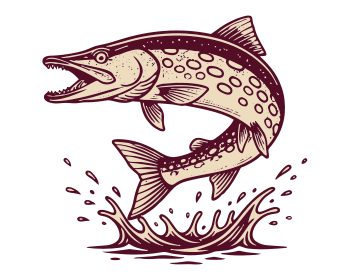
Northern Pike are visual ambush hunters built for structure, vegetation edges, and shallow bays. They strike from cover, react aggressively to movement, and feed on a wide range of prey, from fish to waterfowl when the opportunity exists.
In healthy northern systems with strong forage and low pressure, pike grow long, thick, and powerful. Their attacks are sudden and often visible, turning the moment before the strike into part of the thrill.
What it feels like:
Why it thrives here:
Arctic Grayling
The River specialist
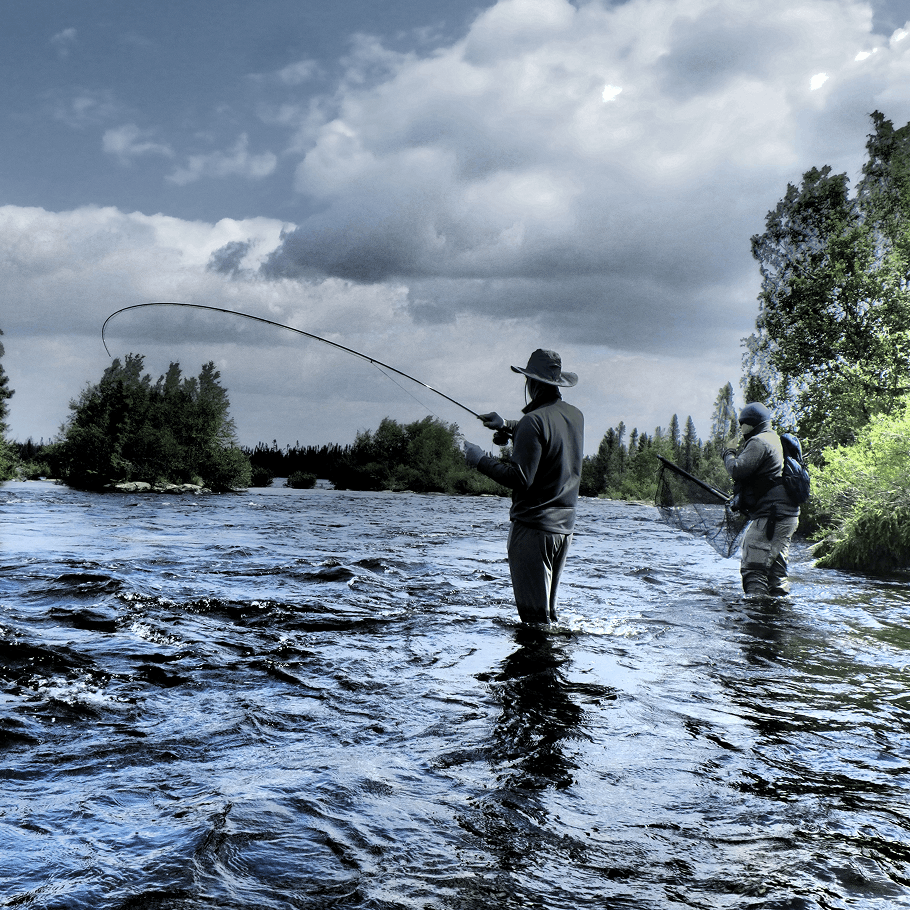
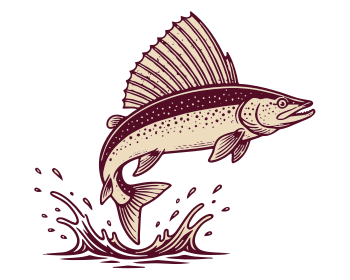
Arctic Grayling here are tied to moving water. They feed heavily on aquatic and terrestrial insects and are known for their surface takes and distinctive dorsal fin. Unlike the deep or structure-oriented predators, grayling reward observation, current reading, and lighter presentations.
They represent a different pace of fishing, one connected to flow, rhythm, and precision rather than power alone.
What it feels like:
Why it thrives here:
Lake Trout
The Depth Hunter
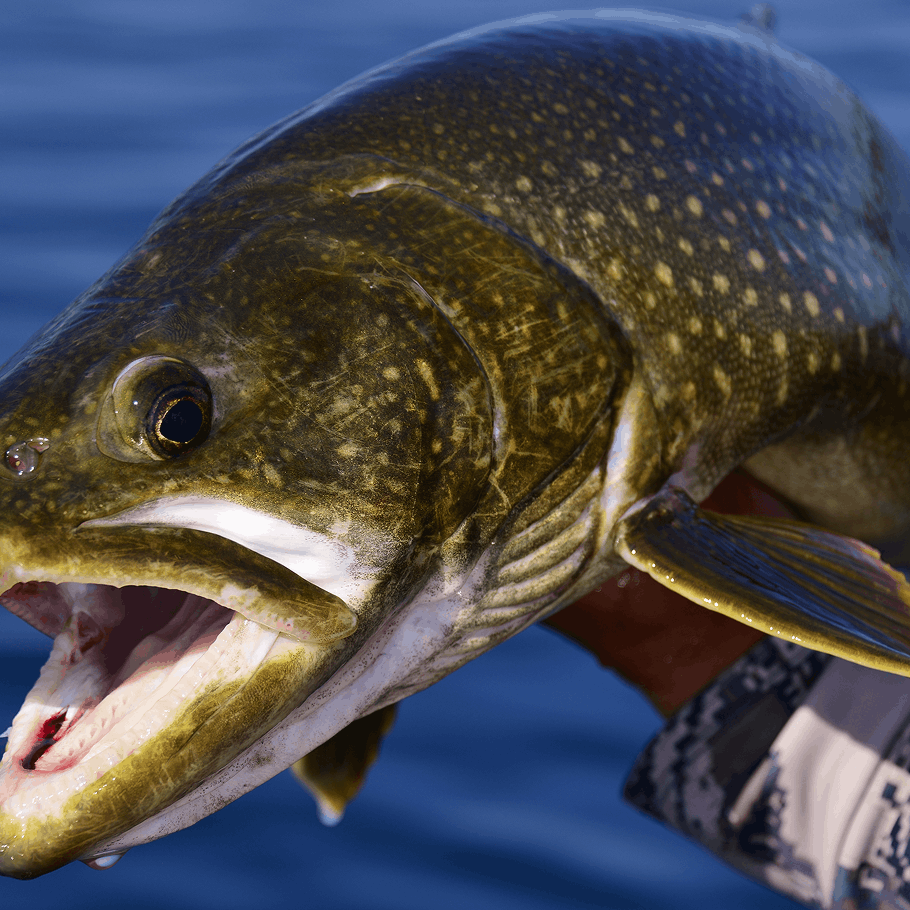
Lake Trout are not true trout but char, designed for cold water and deep structure. In summer they often hold between 50 and 150 feet, relating to reefs, drop-offs, and suspended forage. During early season and fall, they move higher in the water column and can be targeted in shallower zones.
They are long-lived, slow-growing fish that convert rich forage into dense, powerful bodies. When hooked, they rely on stamina and weight rather than quick bursts, creating deep, sustained battles.
What it feels like:
Why it thrives here:
Choose Your Style of Fishing
Some anglers arrive with a plan.
Others let the water decide. Both approaches work.
At Scott Lake, the experience adapts to how you like to fish.
Lake Trout
If You Like Depth, Power, And The Hunt Below The Surface.
Cold water predators. Structure fish. Less chaos, more strategy. You are reading electronics, watching drop-offs, working jigs, trolling deep edges. Then the rod loads and it feels like you hooked the lake itself. This is strength, patience, and heavyweight fights rising from the dark.
- Deep-water predators
- Powerful, sustained fights
- Rewards methodical anglers
- Best for those who value strength and solitude
Northern Pike
If You Like Visual Strikes, Aggressive Fish, And Explosive Shallow-water Action.
Shallow bays. Weed lines. Sudden movement. Pike hunting is visual, fast, and unforgettable. They follow, flare, turn, and detonate boatside. This is high-adrenaline fishing where reaction beats patience and every cast carries the possibility of chaos.
- Shallow-water ambush predators
- Explosive strikes and visual follows
- High-energy, reactive fishing
- Best for anglers who like action and aggression
Arctic Grayling
If You Like Finesse, Moving Water, And Surface Eats.
Clear currents. Light tackle. Precision casts. Grayling reward rhythm and presentation more than brute force. They rise, flash, turn, and disappear in seconds. This is visual fishing of a different kind — subtle, technical, and deeply addictive for anglers who enjoy the craft as much as the catch.
- Surface-oriented feeders
- Frequent rises and dry-fly takes
- Technical, presentation-driven fishing
- Best for anglers who value elegance and repetition
One Ecosystem, Multiple Opportunities
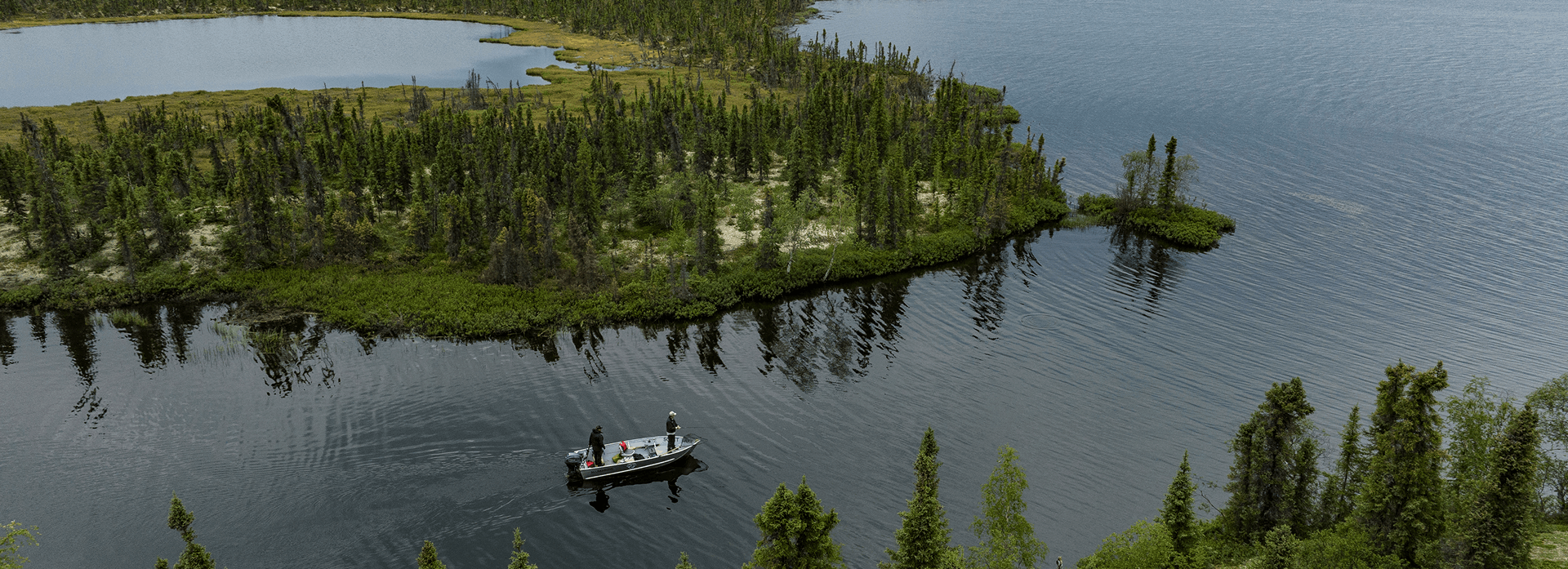
These waters connect structure, forage, and seasonal movement in a way that supports multiple species at high quality.
This movement is part of the adventure. Conditions evolve, and opportunities evolve with them.
Why This Combination Is Rare
Remote geography, limited pressure, and intact habitat allow fish to grow naturally. The result is diversity without compromise.
Here, the diversity is not only in species, but in tactics, water types, and the way each day unfolds.
It starts here
The Water Makes the Difference
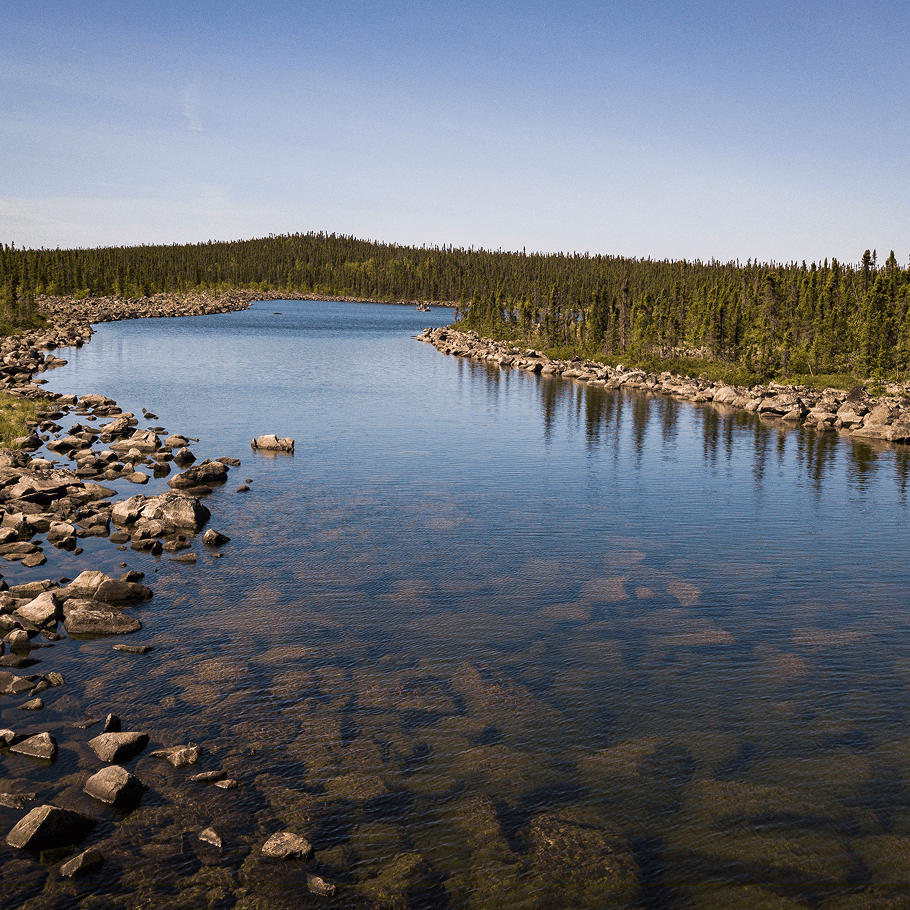
Cold water holds more oxygen. Long winters slow growth but extend lifespans. Vast structure, deep basins, weed-rich bays, and connected river systems create layers of habitat and a powerful food chain built on cisco, whitefish, insects, and smaller forage species.
Low pressure and a remote setting allow fish to grow strong, old, and heavy. This combination of environment, forage, and time is what turns this system into a place where trophy potential is natural, not manufactured.
Before you choose a species, understand this: The water here is the advantage.
Plan Your Fishing Adventure
Whether you come with a clear focus or prefer to explore all three species, our team will help shape your time on the water into something unforgettable.