
Everything You Need to Know Before You Arrive.
Scott Lake is remote by design, but everything about your experience is thoughtfully organized.
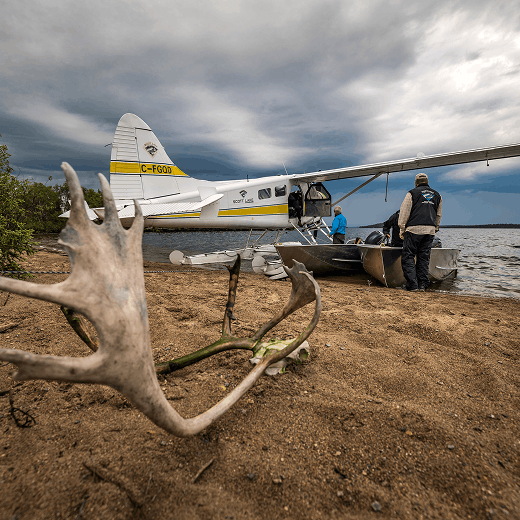
Adventure Guide
A complete overview of the daily rhythm, the fishing experience, and the moments in between.
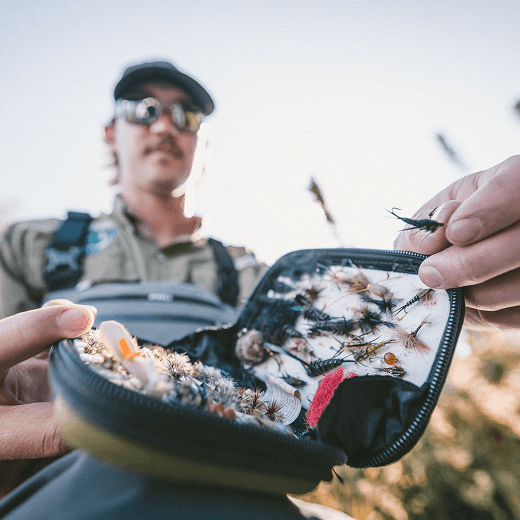
Tackle Tips
Our boats are fully equipped with high-quality gear, selected and maintained specifically for these waters.
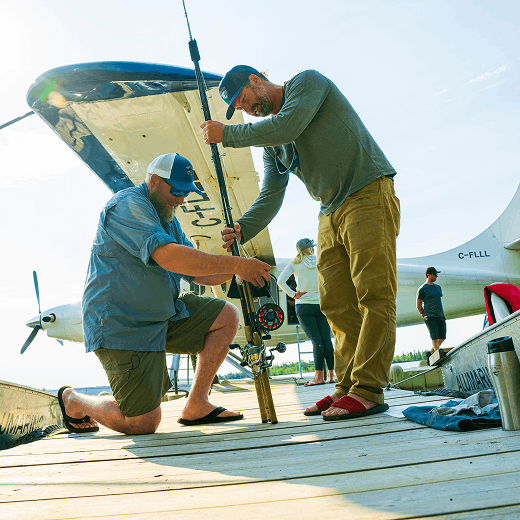
Packing List
First-Time Guests
What kind of experience should I expect overall?
Scott Lake Lodge is a remote fly-in fishing lodge built around world-class northern fishing experiences, but the trip offers far more than what happens at the end of a cast.
Guests spend their days exploring untouched lakes and rivers with experienced guides, while non-anglers can enjoy the quiet pace of the lodge, wildlife, photography, canoeing, shore lunches, and the atmosphere of a truly remote wilderness setting.
From the fishing to the hospitality, everything is designed to feel personal, comfortable, and deeply connected to the north.
Where should I start when planning my trip?
Start by exploring the site.
Every page was designed to help you understand not only the fishing, but the rhythm of the experience itself, from the flyout lakes and seasonal patterns to the wildlife, landscape, and pace of life in the north. The goal is immersion: to help you picture the place clearly enough to understand how your own adventure might take shape here.
By the time you finish exploring, you’ll likely have a much better sense of what draws you in most, whether that’s trophy Northern Pike, fly fishing remote rivers for Arctic Grayling, photography, wilderness solitude, or simply sharing the experience with family or friends.
From there, we plan together.
We’re happy to help you choose the right dates, fishing focus, flyout options, accommodations, packing strategy, and overall experience based on what you want your time at Scott Lake Lodge to become.
What should I know before arriving at the lodge?
The most important thing to know is that you do not need to overpack. Scott Lake Lodge is fully equipped for remote fishing travel, and our team will guide you through everything you need before arrival.
Expect long days outdoors, changing weather conditions, and a remote environment where flexibility is part of the experience. Come prepared for adventure, but comfortable knowing the details are already handled.
Where is Scott Lake Lodge and how do I get there?
Scott Lake Lodge is located in northern Saskatchewan near the Northwest Territories border. Access is by charter aircraft from Stony Rapids following your commercial flight into Edmonton.
Your trip includes coordinated transportation from Edmonton through the final floatplane transfer to the lodge.
How do I get to Edmonton?
Most guests arrive through Edmonton International Airport (YEG), which offers direct connections from many major Canadian and U.S. cities.
We recommend booking flights that arrive the day before your departure to the lodge to allow time for delays and overnight accommodations if needed.
How big are the planes after Edmonton?
After arriving in Edmonton, guests continue north aboard privately chartered aircraft arranged by Scott Lake Lodge.
The final flight into the lodge is typically aboard a smaller bush plane designed for northern travel and remote air access. These aircraft are built to safely operate in rugged wilderness conditions where large commercial aircraft cannot.
Because of the aircraft size and weight limitations, baggage restrictions are extremely important and must be followed carefully. Soft-sided luggage is strongly recommended, as it fits far more efficiently in the aircraft cargo compartments than hard-shell suitcases.
How long and rough are the boat rides?
Most boat rides are comfortable and relatively short, though travel times vary depending on the lake and fishing location.
Conditions can change with weather and wind, but our guides are highly experienced in navigating northern waters safely and efficiently. Guests are provided with quality rain gear and safety equipment when needed.
How far in advance should I prepare for my trip?
We recommend reviewing your travel information several weeks before departure, especially if you need to organize flights, clothing, or personal fishing gear.
That said, you do not need to overcomplicate preparation. Most guests find that packing lighter and keeping things simple leads to a far better experience.
Is all pre-trip information available in one place?
Yes. We provide guests with detailed pre-trip information covering travel logistics, packing recommendations, weather expectations, fishing preparation, and arrival details.
If you still have questions at any point, our team is always available to help before your trip begins.
What’s the travel schedule like once I arrive?
After arriving in Edmonton, guests take a charter flight north to Stony Rapids, followed by a floatplane transfer directly into Scott Lake Lodge.
From the moment you arrive, transportation is coordinated for you. The journey north is part of the experience itself, with vast forests, lakes, and untouched wilderness unfolding beneath the flight path.
Do I need a passport or special documents?
Guests traveling from outside Canada will need a valid passport and any required travel documentation for international entry into Canada.
Domestic Canadian travelers typically only need standard government-issued identification for flights. We recommend checking current airline and border requirements before traveling.
What happens if weather delays flights?
Northern weather can change quickly, and occasional delays are part of remote wilderness travel. Safety always comes first for both charter and floatplane operations.
If weather impacts scheduling, our team works closely with pilots and guests to coordinate updates and adjustments as smoothly as possible. Flexibility and patience are part of traveling this far north, and most guests find the experience well worth the journey.
How can I avoid overpacking?
Almost everyone brings too much on their first trip north.
Choose versatile layers instead of bulky clothing, avoid packing for every possible scenario, and remember that the lodge is fully prepared for remote travel conditions.
Packing lighter makes every stage of the journey easier, especially during floatplane transfers where luggage weight matters.
What weather should I prepare for?
Conditions in the north can change quickly, sometimes within the same day.
Warm sun, cool mornings, wind, rain, and sudden temperature shifts are all part of the experience. Dressing in layers is the best way to stay comfortable throughout the trip.
Being prepared for changing conditions will allow you to enjoy more time on the water comfortably.
Do I need travel insurance?
We strongly recommend travel insurance for added flexibility and peace of mind, especially when traveling long distances or connecting through multiple flights.
Coverage for trip interruptions, delays, baggage issues, and medical emergencies can be valuable when traveling to remote northern locations.
Is there a luggage weight limit?
Yes. Because travel to the lodge includes small aircraft and floatplane transfers, luggage weight limits are important for safe operations and aircraft balance.
Most guests find they need far less gear than expected, and traveling light helps keep the journey smooth and efficient.
Detailed luggage guidelines are provided before your trip.
Is all pre-trip information available in one place?
Yes. We provide guests with detailed pre-trip information covering travel logistics, packing recommendations, weather expectations, fishing preparation, and arrival details.
If you still have questions at any point, our team is always available to help before your trip begins.
Can dietary restrictions be accommodated?
Yes. Our team works hard to accommodate dietary restrictions and food allergies whenever possible.
We ask guests to communicate any dietary needs well in advance of arrival so the kitchen team can prepare accordingly for the remote lodge environment.
How physically demanding is the trip?
Fishing days may involve standing in boats, casting for extended periods, walking uneven terrain, or entering and exiting boats and floatplanes. Guests should be comfortable spending full days outdoors.
Your guide can adapt the pace of the day based on comfort, ability, and fishing goals.
How far ahead should I start preparing?
We recommend reviewing your trip information several weeks before departure, especially if you are organizing flights, outdoor clothing, or personal fishing gear.
That said, preparation does not need to become complicated. Keeping things simple usually leads to a far more enjoyable trip.
Where can I find all pre-trip information?
Guests receive detailed pre-trip information covering travel logistics, packing recommendations, weather expectations, lodge details, and arrival instructions.
If additional questions come up before your trip, our team is always available to help.
What species can I target at Scott Lake Lodge?
Scott Lake Lodge is known for exceptional Northern Pike, Lake Trout, and Arctic Grayling fishing across an enormous network of remote lakes and rivers.
Depending on the season, destination, and fishing style, guests can focus on one species or pursue a multi-species experience that combines all three in a single trip.
Do I need to be an experienced angler?
Not at all.
We welcome everyone from first-time anglers to highly experienced fishermen. Our guides adapt the experience to your comfort level, goals, and preferred fishing style.
Whether you are learning how to cast for the first time or chasing a specific trophy fish on a fly rod, the experience is built around you.
Can beginners still have a successful trip?
Absolutely.
Northern fish are aggressive, abundant, and often willing to reward good presentation without requiring highly technical fishing techniques. Our guides help with casting, lure selection, boat positioning, and fish handling throughout the day.
Many guests catch the biggest fish of their lives on their very first northern trip.
What is a typical fishing day like?
Most days begin with breakfast at the lodge before heading onto the water with your guide for a full day of fishing and exploration.
Some guests stay close to the lodge while others fly out to remote lakes and rivers for the day. Shore lunches, wildlife sightings, changing weather, and constantly shifting fishing conditions all become part of the rhythm of the experience.
By evening, guests return to the lodge for dinner, stories, and preparation for the next day on the water.
What’s the difference between lodge fishing and flyout fishing?
Fishing around the main lodge offers outstanding access to productive water systems connected to Scott Lake itself.
Flyout fishing expands the experience dramatically, giving guests access to remote lakes and rivers spread across thousands of square miles of untouched wilderness. Many anglers choose a combination of both throughout their stay.
Can I focus on one species during my trip?
Yes.
Some guests spend their entire trip targeting giant Northern
What are the accommodations like?
Scott Lake Lodge combines remote wilderness access with comfortable, well-appointed accommodations designed for rest after long days outdoors.
Cabins are warm, quiet, and thoughtfully prepared, offering a comfortable retreat surrounded by the northern landscape.
Do the cabins have private bathrooms?
Yes. Guest accommodations include private bathrooms and the essential comforts needed for a relaxing stay in a remote setting.
Specific cabin layouts may vary, but comfort and privacy are part of the experience throughout the lodge.
What kind of food is served at the lodge?
Meals are an important part of the Scott Lake Lodge experience.
Guests can expect hearty breakfasts, fresh shore lunches on the water, and carefully prepared dinners back at the lodge each evening. The menu balances comfort, quality, and the appetite that comes after a full day outdoors.
Can dietary restrictions be accommodated?
Yes. We do our best to accommodate dietary restrictions and food allergies whenever possible.
Please communicate any dietary needs well before arrival so the kitchen team can prepare appropriately for the remote lodge environment.
Is there internet or cell service at the lodge?
Because of the lodge’s remote location, internet access and cell service may be limited or unavailable depending on conditions and providers.
For many guests, disconnecting from constant notifications becomes part of what makes the experience memorable.
Is the lodge suitable for non-anglers?
While fishing is at the heart of Scott Lake Lodge, many guests come to experience the landscape itself. Wildlife viewing, photography, canoeing, quiet exploration, shore lunches, and simply experiencing the stillness of the north can be deeply rewarding even without fishing.
What happens after a day on the water?
Evenings at the lodge tend to settle into a slower rhythm.
Guests return for dinner, stories from the day, photographs of memorable catches, and time to relax before the next morning’s adventure. After hours outdoors, the lodge becomes a welcoming place to recharge.
Is alcohol available at the lodge?
Guests should check current lodge policies regarding alcohol service and personal beverages before arrival.
Specific details and recommendations are typically included in the pre-trip information package.
What should I expect from the atmosphere at the lodge?
The atmosphere is relaxed, welcoming, and deeply connected to the wilderness surrounding it.
There are no crowds, no noise from nearby roads or towns, and no sense of rushing from one activity to the next. Life here follows the rhythm of weather, water, and long northern days.
What is a flyout fishing trip?
A flyout is a day trip by floatplane to one of Scott Lake Lodge’s remote fishing destinations.
Guests board a floatplane in the morning and travel deep into untouched wilderness lakes and rivers that see extremely little fishing pressure. For many anglers, the flight itself becomes part of the experience.
How many flyout destinations does Scott Lake Lodge have?
Scott Lake Lodge has access to an extraordinary network of remote flyout destinations spread across thousands of square miles of northern wilderness.
Each lake has its own personality, structure, species balance, and fishing character, allowing guides to match destinations to conditions and guest goals.
Are the flyout lakes crowded?
No.
One of the defining parts of the experience is the feeling of isolation and exclusivity. You will not encounter public boat traffic or crowded shorelines.
In many cases, the only boats you may see belong to Scott Lake Lodge.
How are flyout lakes selected for each trip?
Some guests want fast action. Others want trophy fish, sight fishing opportunities, fly fishing water, or multi-species adventures. The flyout system allows for remarkable flexibility.
Can I request specific flyout lakes?
Yes.
Many returning guests develop favorite lakes and request them year after year. Guides and staff will always try to accommodate preferences whenever conditions, logistics, and scheduling allow.
What makes each flyout lake different?
Every lake has its own rhythm.
Some are known for explosive numbers of Northern Pike. Others produce giant Lake Trout, sight fishing opportunities, shallow weed systems, flowing grayling water, or remote structures rarely touched by anglers.
No two destinations feel exactly the same.
Are flyouts suitable for fly fishing?
Many of our flyout destinations are exceptional for fly fishing.
Shallow pike bays, clear water sight fishing opportunities, current systems for Arctic Grayling, and seasonal shallow-water Lake Trout create remarkable opportunities for anglers fishing with fly gear.
Some lakes are especially well suited for multi-species fly fishing experiences.
How far are the flyout destinations from the lodge?
Flight times vary depending on the destination.
Some lakes are relatively close to the lodge while others require longer flights deeper into the northern wilderness. Even the travel itself becomes part of the adventure, with endless lakes, forest, and untouched terrain stretching beneath the floatplane.
What happens if weather affects flyout plans?
Weather always plays a role in northern aviation.
If conditions are unsafe for flying, guides and staff adjust plans accordingly and work to create the best possible fishing experience using available waters closer to the lodge.
Safety always comes first.
Do flyouts feel physically demanding?
Most flyout days are comfortable and accessible for a wide range of guests.
Some destinations may involve short walks, uneven terrain, entering and exiting floatplanes, or limited hiking depending on the location. Guides help match destinations to guest comfort levels and abilities whenever possible.
What is included in the trip package?
Trip packages typically include accommodations, guided fishing, meals, standard fishing equipment, and scheduled transportation between designated travel points and the lodge.
Specific inclusions may vary depending on the package and season, so guests should review the current trip details carefully before booking.
Are flyouts included in the package price?
Some packages include flyout opportunities, while others may offer them as optional add-ons.
Because flyouts involve aircraft operations and remote logistics, pricing can vary depending on destination and distance.
Are fishing licenses included?
Fishing licenses are generally handled separately and may need to be purchased before or during your trip depending on current regulations.
Guests receive updated information before arrival regarding licensing requirements.
What payment methods are accepted?
Accepted payment methods and deposit requirements are provided during the booking process.
If you have specific payment questions, the lodge team can provide the most current details and options available.
What is the cancellation policy?
Because of the remote logistics and advance planning required for northern wilderness trips, cancellation policies are important and may involve specific timelines and conditions.
Guests should review all booking terms carefully before confirming their reservation.
Can I customize my trip experience?
Yes.
Many guests personalize their experience around fishing goals, preferred species, flyout interests, photography opportunities, or the overall pace of the trip.
The flexibility of the lodge and flyout system allows for highly personalized experiences.
How many anglers are typically paired with a guide?
Most guided fishing experiences are designed around small groups to maintain flexibility, comfort, and a more personal experience on the water.
Specific guide-to-guest arrangements may vary depending on the trip structure and group size.
Do I need to bring my own fishing gear?
No.
Scott Lake Lodge provides high-quality rods and reels suitable for the different fishing opportunities available throughout the season, including spinning, casting, trolling, and fly fishing setups.
Guests are welcome to bring personal gear if they prefer.
Can non-anglers join the trip?
Yes.
While fishing is central to the experience, many guests come for the wilderness itself: wildlife, photography, floatplane travel, quiet exploration, and the rare feeling of true remoteness.
Why does remote wilderness travel cost more than a typical fishing trip?
Experiences like this require specialized logistics, aircraft operations, remote staffing, wilderness infrastructure, and careful conservation management across enormous areas of untouched water.
What guests gain in return is access to a level of solitude, scale, and fishing opportunity that is increasingly rare in the modern world.
What is the weather like during the fishing season?
The season runs from late spring into early fall, and conditions evolve constantly across those months.
Early season brings cool mornings, active shallow-water fishing, and long northern daylight. Mid-summer can shift between calm heat, wind, and fast-moving storms. Late season delivers colder nights, dramatic skies, and some of the year’s best trophy fishing.
How quickly can weather conditions change?
Very quickly.
A calm morning can become windy within hours, temperatures can shift suddenly, and weather systems move fast across open water. Layered clothing is the best way to stay comfortable throughout the day.
Will rain affect the fishing?
Not always. In many cases, changing weather improves fish activity.
Guides adapt constantly to conditions, adjusting locations, depth, and presentation throughout the day. Some unforgettable fishing happens under dark skies and moving weather.
Are bugs a problem in the north?
Bugs are part of the northern ecosystem, especially during certain periods of the season.
Mosquitoes and black flies can be active in calm or sheltered areas, but proper layers and insect repellent make a significant difference.
What kind of landscape surrounds the lodge and flyout lakes?
Ancient rock, boreal forest, winding rivers, shallow marshes, waterfalls, and endless chains of untouched lakes define the landscape.
In many places, there are no structures, roads, or signs of development anywhere in sight.
What wildlife might I encounter?
Depending on the season and location, guests may encounter bald eagles, moose, black bears, foxes, wolves, otters, and migratory birds throughout the region.
Wildlife sightings are never guaranteed, but the surrounding wilderness remains remarkably active and undisturbed.
How much daylight is there during the season?
Northern summer days are exceptionally long.
During peak season, daylight stretches deep into the evening, allowing for extended time on the water and long golden hours across the landscape.
Does the water stay cold all season?
Yes.
Even through summer, northern waters remain cold compared to southern fisheries. Those conditions help support healthy populations of Northern Pike, Lake Trout, and Arctic Grayling.
What makes this ecosystem unique?
These lakes remain largely untouched natural systems shaped over thousands of years.
Minimal development, limited fishing pressure, and strong catch-and-release practices have helped preserve an exceptionally wild fishery.