
CLEAR WATER. RISING FISH. PURE RHYTHM.
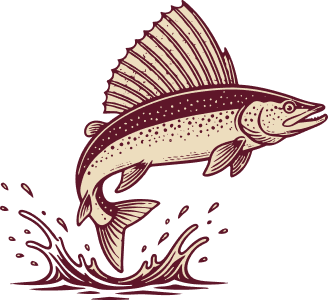
ARCTIC GRAYLING: THE NORTHERN RISE FORM
Thymallus arcticus
At Scott Lake Lodge, grayling thrive in cold, clean lakes and flowing connections where insect life is abundant. Their feeding behavior is surface-oriented, rhythmic, and highly responsive to presentation.
Grayling are not about power. They are about timing, finesse, and the satisfaction of a perfect drift.
Fishing Features:
Arctic grayling are primarily surface and near-surface feeders. Their takes are visual, frequent, and precise, making them ideal for dry flies and light presentations.
Key characteristics:
- Consistent surface activity
- Strong response to dry flies and small patterns
- Light tackle and technical presentations
Grayling fishing emphasizes accuracy and flow rather than strength.
Behavior:
Grayling are active, curious feeders that patrol water rather than hold in one position. They rise often and respond quickly to well-presented flies.
Their behavior rewards anglers who read currents, manage line carefully, and focus on drag-free drifts.
Grayling are forgiving enough for newcomers yet nuanced enough to challenge experienced fly fishers.
They teach rhythm and restraint.

Habitat:
Grayling prefer clear, cold, well-oxygenated water with healthy insect populations. They are commonly found in shallow flats, lake edges, narrows, and connecting flows between lakes.
At Scott Lake, pristine water quality and intact shorelines create ideal grayling habitat. Visibility allows anglers to spot feeding fish and adjust approaches in real time.

Seasonal Movements:
Grayling movements are closely tied to insect hatches and water temperature.
Early Season: Fish concentrate near shallow areas as insect activity begins.
Mid-Summer: Peak dry-fly season, with consistent rises throughout the day.
Fall: Grayling continue feeding actively as water cools, often in flowing connections and lake margins.
Grayling remain accessible and engaging for most of the open-water season.
The Northern Advantage
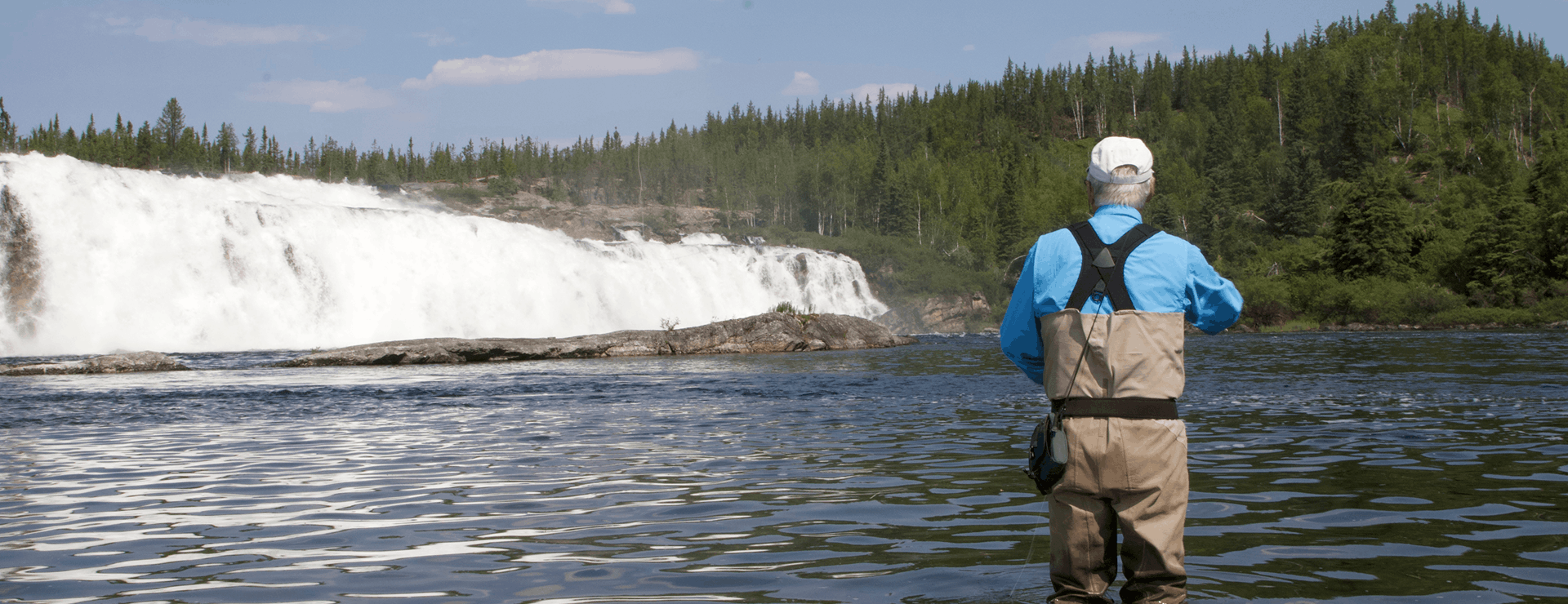
In remote northern waters, grayling populations remain strong and unpressured. Cold temperatures and short growing seasons create fish that are healthy, abundant, and eager to feed.
At Scott Lake, grayling experience minimal angling pressure, allowing for consistent surface action and natural behavior that enhances the fly fishing experience.
What this means for anglers:
- Frequent rises and visual takes
- Ideal conditions for dry-fly fishing
- High engagement with lighter tackle
Who Lake Trout Are For:
Grayling fishing appeals to anglers who value finesse, rhythm, and presentation. It is ideal for those who enjoy reading water, matching hatches, and refining technique.
This experience is a strong match if you:
- Enjoy dry-fly fishing
- Prefer finesse over power
- Like technical, rhythmic casting
- Appreciate consistent surface action
Best Time for Lake Trout:
Mid-summer offers peak dry-fly opportunities, though grayling fishing remains strong from early season through fall.
For many anglers, Arctic grayling represent the purest form of fly fishing in the North.
Plan Your Lake Trout Experience
Whether you come with a clear focus or prefer to explore all three species, our team will help shape your time on the water into something unforgettable.